
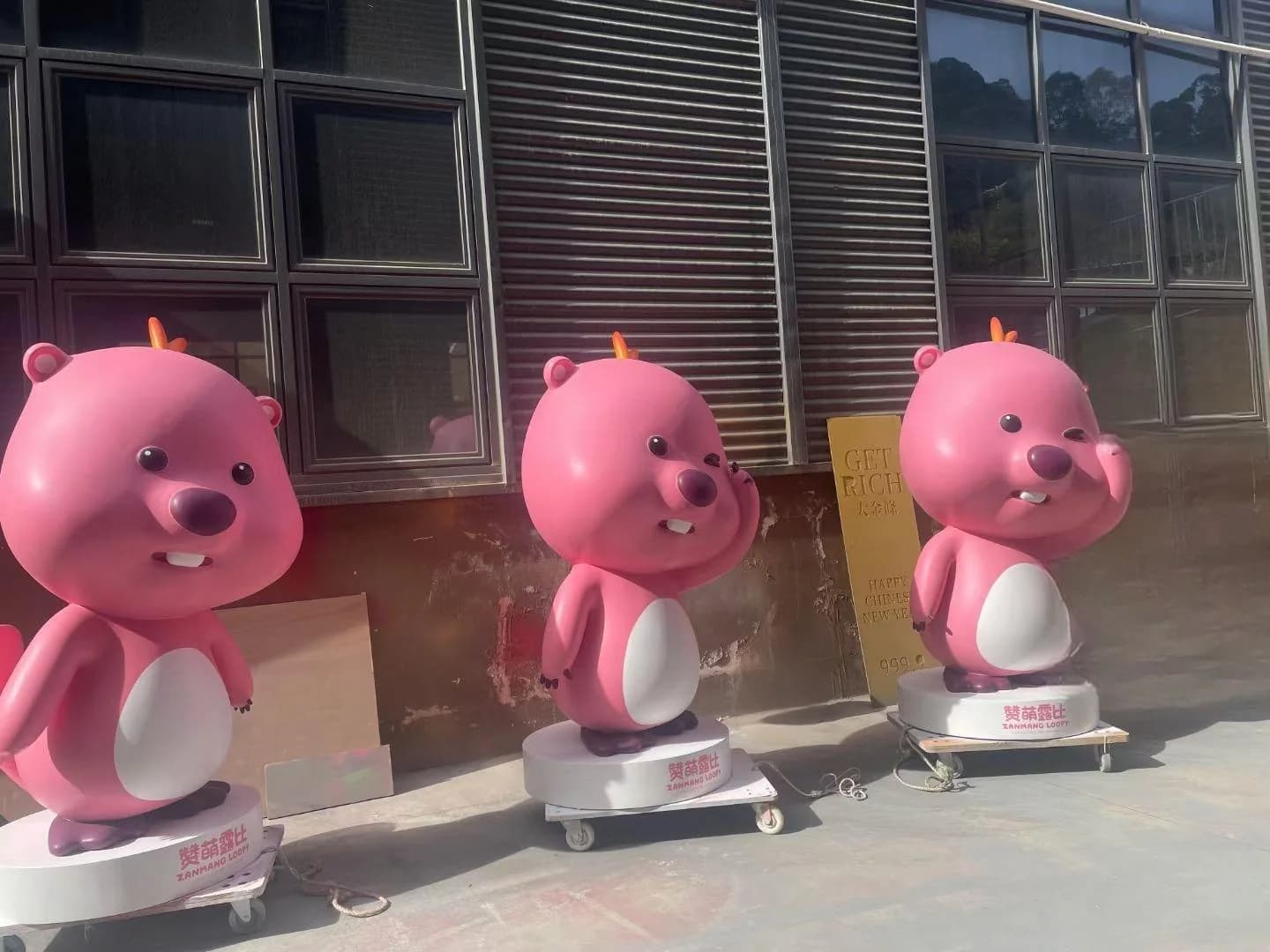
Start with a reference that everyone can approve
A rendering communicates design intent, but it may not resolve every physical-production detail. Before a multi-piece order begins, the buyer and manufacturer should confirm the intended dimensions, stance and base, visible features, finish requirements, detachable parts and installation assumptions. A physical first article can make these decisions easier to review.
The approval record should state which version is approved and what, if anything, remains open. Without that reference, later discussions about whether one unit matches another can become subjective.
Questions buyers can ask:
- Is there an approved drawing, sample, first article or other agreed reference?
- Are size, color boundaries, gloss and key visual details documented?
- Which changes require written confirmation before repeated production continues?
Separate repeatable shape from variable finishing
Molds and standardized forming steps can help reproduce a sculptural shape. They do not remove variation from joining, seam finishing, surface preparation, painting and hand-applied details. Those operations matter particularly for mascots and branded characters, where an eye, expression or color edge can be visually prominent.
The control plan should therefore distinguish at least two checkpoints: the formed or assembled object before final finishing, and the finished object after painting and detail work. The manufacturer should compare units with the approved reference as well as with one another.
Define practical inspection criteria
The criteria should reflect how the pieces will actually be used and viewed. For a branded commercial statue, an agreed inspection checklist can cover:
- Overall form, orientation and important dimensions
- Fit and alignment of joined or detachable components
- Visible seams, surface pinholes and other finish defects
- Paint boundaries, coverage, color placement and gloss where specified
- Base stability and the intended assembly arrangement
- Unit-to-unit consistency when several pieces are seen together
Not every project needs the same tolerance or inspection method. The relevant standard depends on object size, viewing distance, mounting method and approved client requirements. Do not assume a numerical tolerance or certification unless it has been agreed and verified for the project.
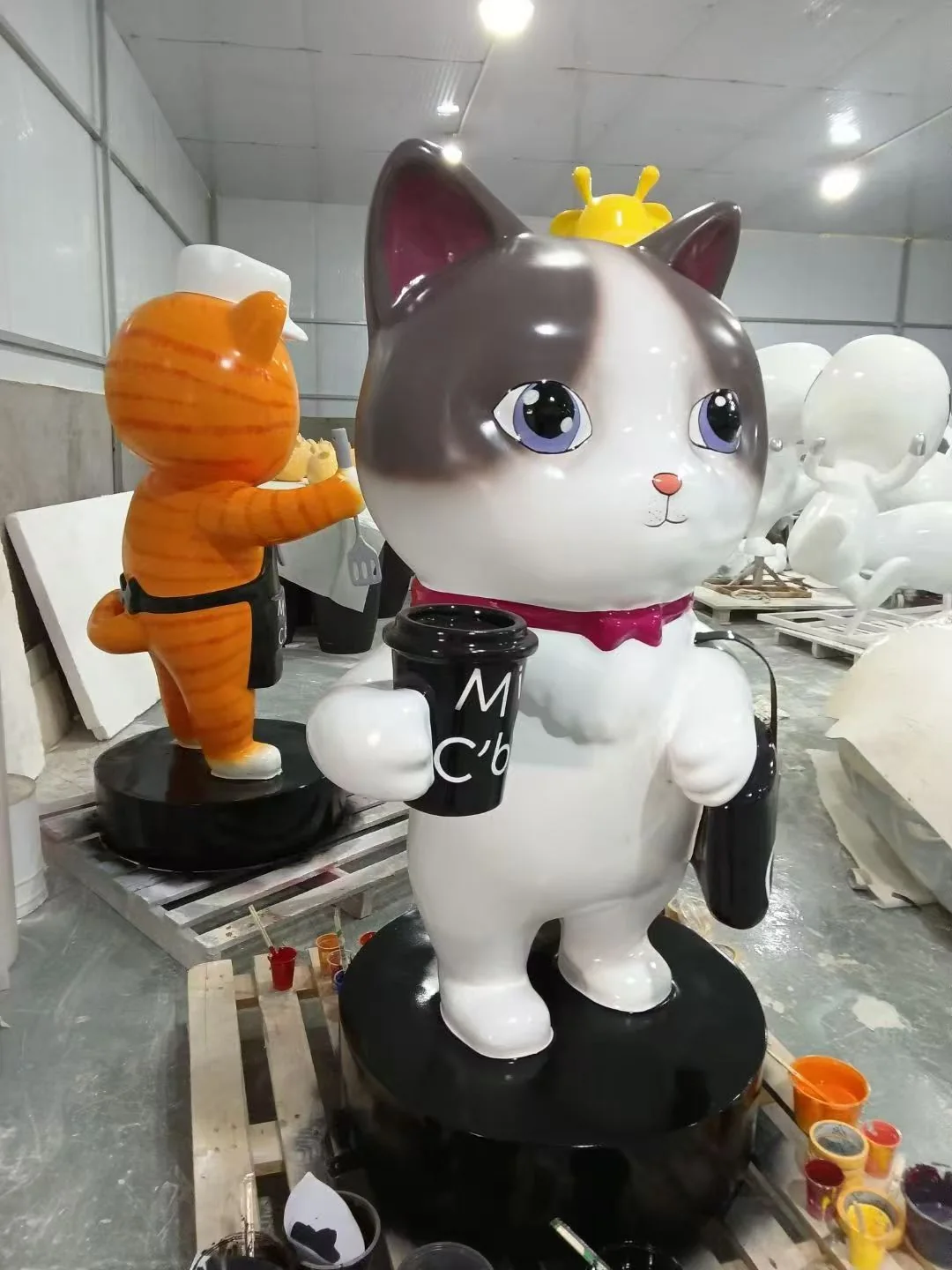
Control revisions before they affect the batch
Late changes can be expensive when a mold, finish sample or production batch has already been approved. Buyers should identify which decisions are fixed, how revisions are recorded and who authorizes an exception. If a new paint color, component joint or finishing detail is accepted for one unit, the team should document whether the same change applies to the remaining pieces.
The useful question is not whether changes are possible. It is whether changes can be managed without leaving the batch with inconsistent versions.
Plan packing and assembly as part of quality control
A piece can pass workshop inspection and still reach its destination damaged. Projections, narrow connections, surface finishes and separate components deserve attention during packing planning. The team should determine whether an exposed part is safer attached or detached, what protection it needs and how the recipient will assemble it.
For international commercial projects, confirm the responsibilities for export packing, freight, site handling and installation support rather than assuming they are included in a manufacturing quotation.
A verified example: YAVIS's 100-piece Treezo mascot order
YAVIS manufactured 100 fiberglass/FRP Treezo mascot sculptures, each approximately 1,100 mm tall including the circular base. The project included a formally approved 3D-printed first article followed by molded repeat production. The actual quality checks included seams, surface pinholes, paint overflow and consistency across units.
For transport risk management, the visor was supplied separately with screws and an installation video. The shield remained integrated and was protected with targeted cushioning. The completed order was packed and delivered to Hangzhou, China. These are documented details of this particular order, not a promise that every project follows identical methods.
For the documented production sequence and project photographs, see How 100 Fiberglass Mascot Statues Were Produced for Treezo.
What buyers should confirm before approving repeat production
Ask the manufacturer to explain the reference-approval process, the planned forming and finishing stages, which checks will be recorded, how differences are handled, and how the packed shipment will be organized. For multi-location rollouts, also confirm labeling and identification requirements if applicable to the actual order.
A strong manufacturing proposal does not need to claim that every hand-finished piece will be mathematically identical. It should explain which aspects are controlled, how acceptable outcomes are agreed and how deviations are handled.
FAQ
Can molded fiberglass statues still vary from piece to piece?
Yes. Molding helps repeat shape, but joining, sanding, painting and hand finishing can still introduce variation. Consistency depends on defined references and appropriate inspections.
Is a first article necessary for every statue order?
Not necessarily. The appropriate approval method depends on the design, complexity, quantity and commercial risk. For higher-risk or repeated orders, a physical first article can clarify what the production batch should match.
What does quality control cover besides appearance?
Depending on the project, it may include dimensions, assembly fit, stability, component protection, packing and other agreed requirements. The manufacturer and buyer should define those requirements before production.
Can a manufacturer produce one sample before a larger rollout?
Many projects can be structured around an approved initial piece or sample, but the feasibility, cost and lead time depend on the design and proposed process. Ask for a project-specific production plan.
From quality planning to manufacturing
If you have a character design, commercial statue render or proposed multi-piece rollout, YAVIS can review the manufacturing requirements and discuss the practical production steps. Explore the Custom Fiberglass Sculptures and Custom Mascot Statues manufacturing pages, or discuss your project.