
What Does a Custom Statue Manufacturer Actually Do?
A custom statue manufacturer translates supplied designs, renders, 3D files or reference images into physical sculptures.
Commercial projects may require:
- Production engineering
- Material and fabrication planning
- Form development
- Surface finishing
- Component assembly
- Quality inspection
- Protective packing
- Repeat production when required
The manufacturer should be able to explain how the proposed production method relates to the project's size, geometry, quantity and intended use.
A supplier suitable for one decorative sculpture is not automatically suitable for a repeat-production commercial rollout.
Start with the Intended Commercial Use
The final application affects nearly every production decision.
A statue inside a retail store may have different requirements from a character display used at an outdoor event or an exhibition installation.
Buyers should clarify:
- Indoor or outdoor application
- Final dimensions
- Viewing distance
- Available installation space
- Freestanding or fixed display
- Quantity
- Delivery destination
- Expected display duration
These details help the manufacturer determine suitable construction, finish, segmentation and packing requirements.
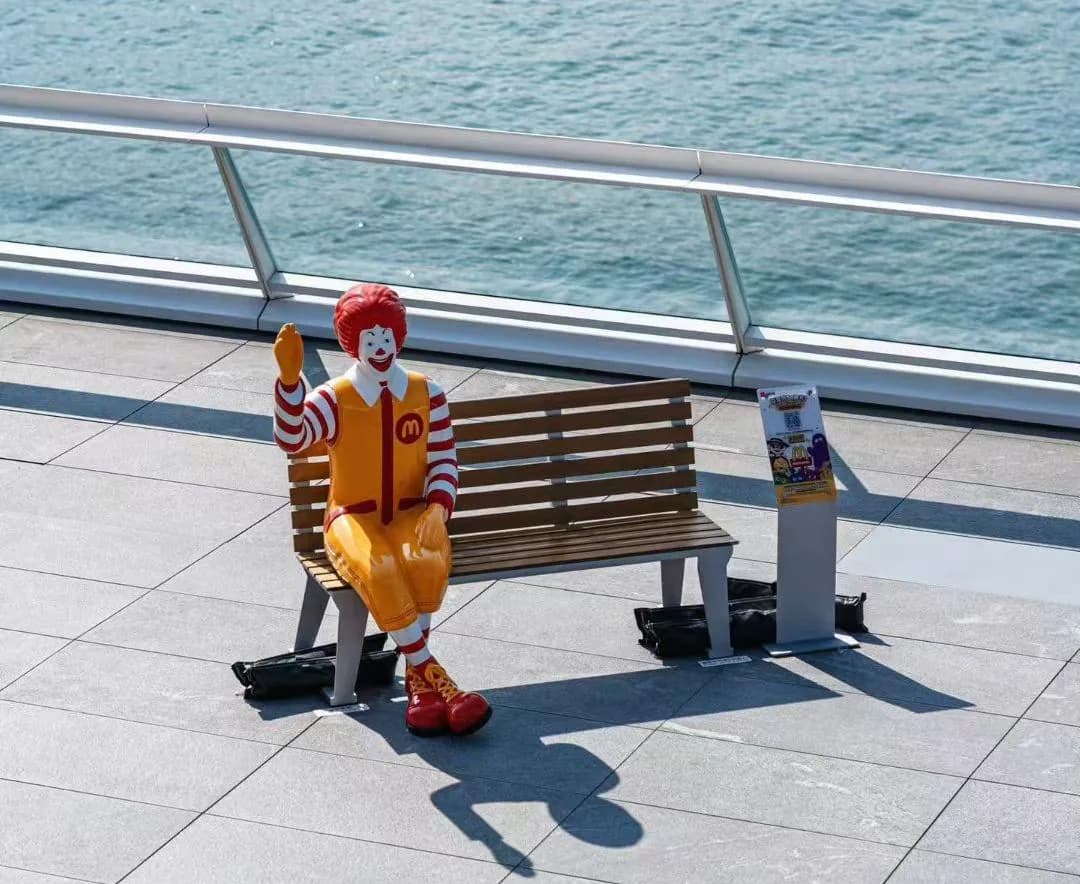
Evaluate Form, Detail and Surface-Finish Capability
Complex character sculptures and branded display figures often require more than reproducing basic dimensions.
Important considerations include:
- Silhouette and proportions
- Facial expression
- Complex curved surfaces
- Surface textures
- Color separation
- Graphics and decorative details
- Assembly interfaces
Ask the manufacturer to show completed projects with comparable geometric complexity and finish requirements.
Real production photographs can provide useful evidence of surface quality and form execution. Where appropriate, close-up photographs and multiple viewing angles can reveal details that may not be visible in a single presentation image.
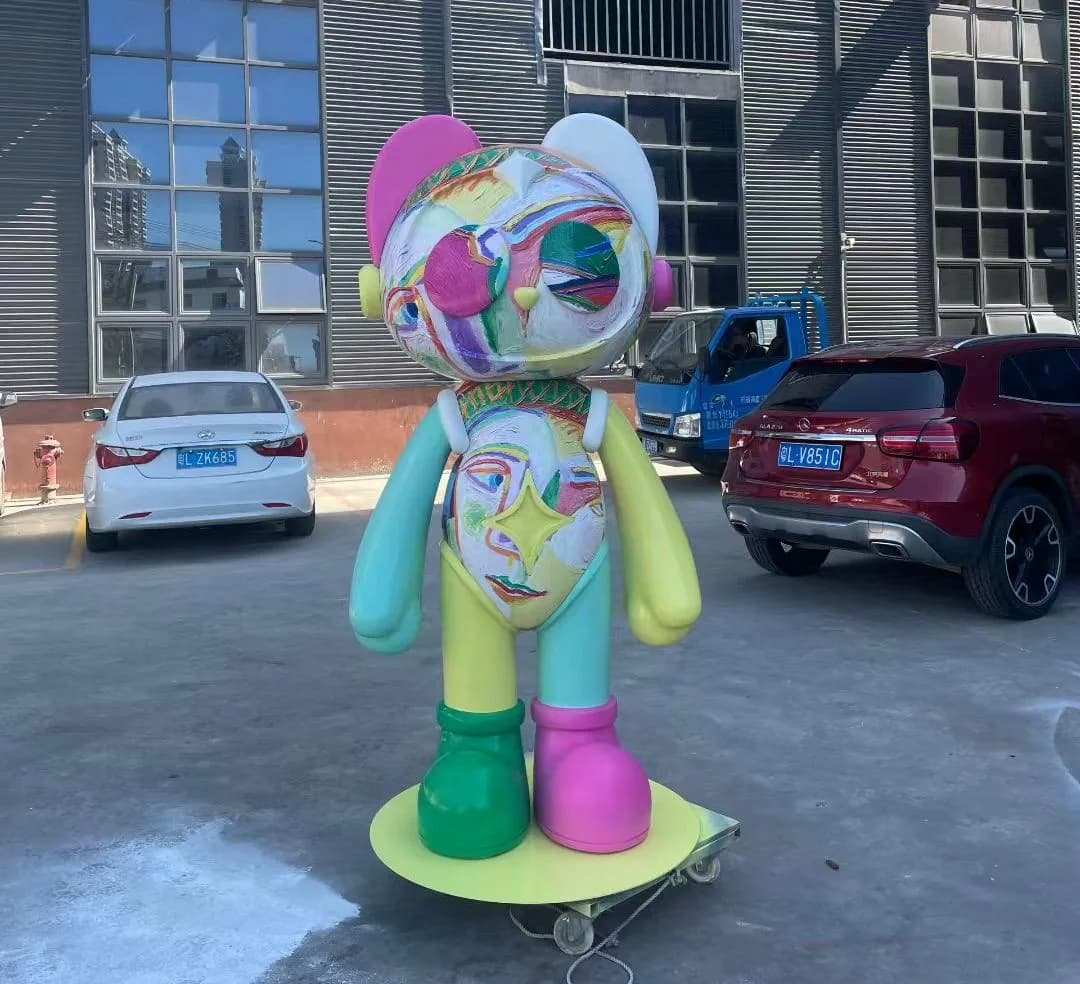
Ask How First-Piece Approval Is Handled
For custom production, establishing an approved reference can reduce uncertainty before the remaining work proceeds.
Depending on the project, approval may involve:
- 3D visualization
- Prototype or physical model
- First completed production unit
- Color references
- Finish samples
- Assembly review
Not every one-off project requires a physical prototype.
For larger production quantities, however, first-piece confirmation can be especially useful for controlling the appearance of subsequent units.
The approval method should be agreed before production rather than assumed.
Check Repeat-Production Consistency
Manufacturing one successful statue and manufacturing many matching statues are different challenges.
Commercial rollouts may require multiple copies with consistent dimensions, colors, surface finishes and assembly details.
Buyers should ask how the manufacturer manages:
- Production references
- Molds or repeatable fabrication methods
- Color and finish standards
- Dimensional checks
- Surface inspection
- Batch consistency
- Packing across multiple units
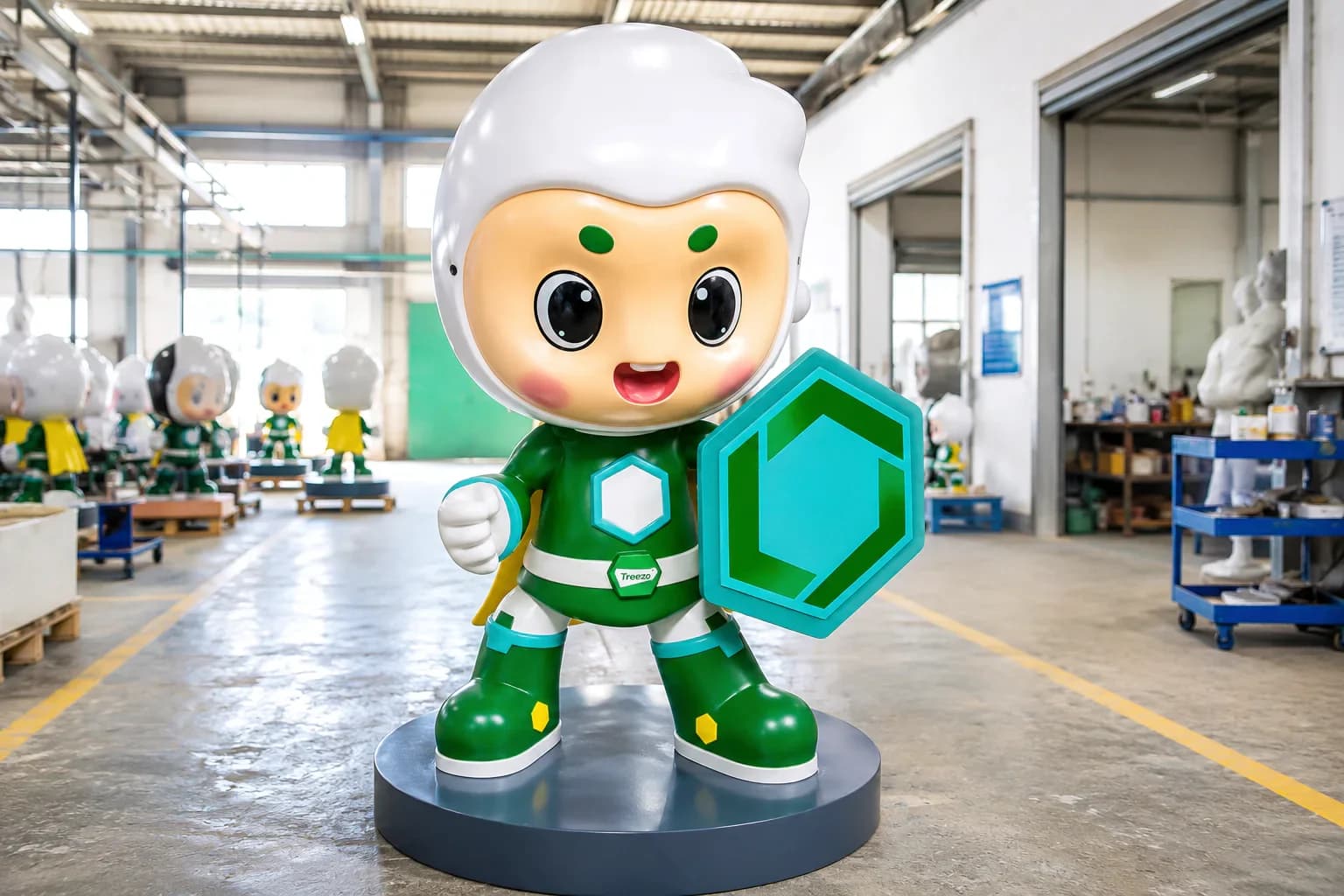
Photographs showing several finished examples together can be particularly useful, because they allow buyers to compare form and finish across a group rather than judging a single item.
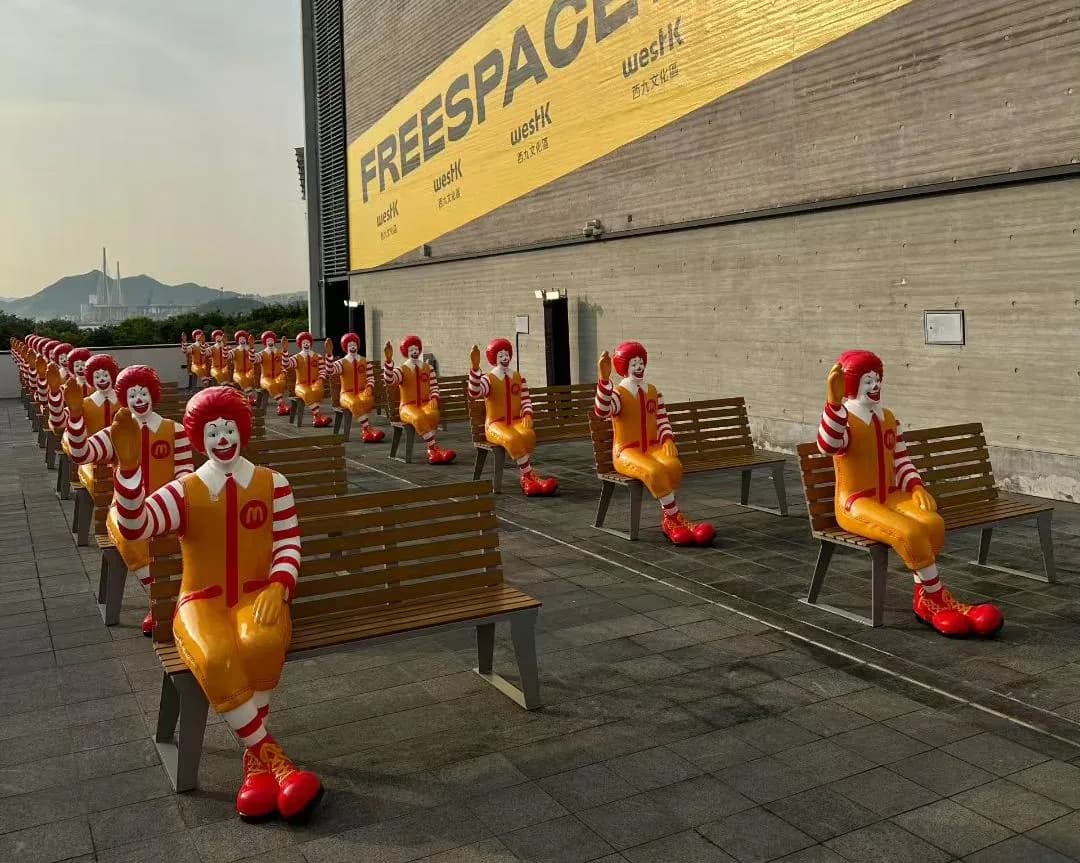
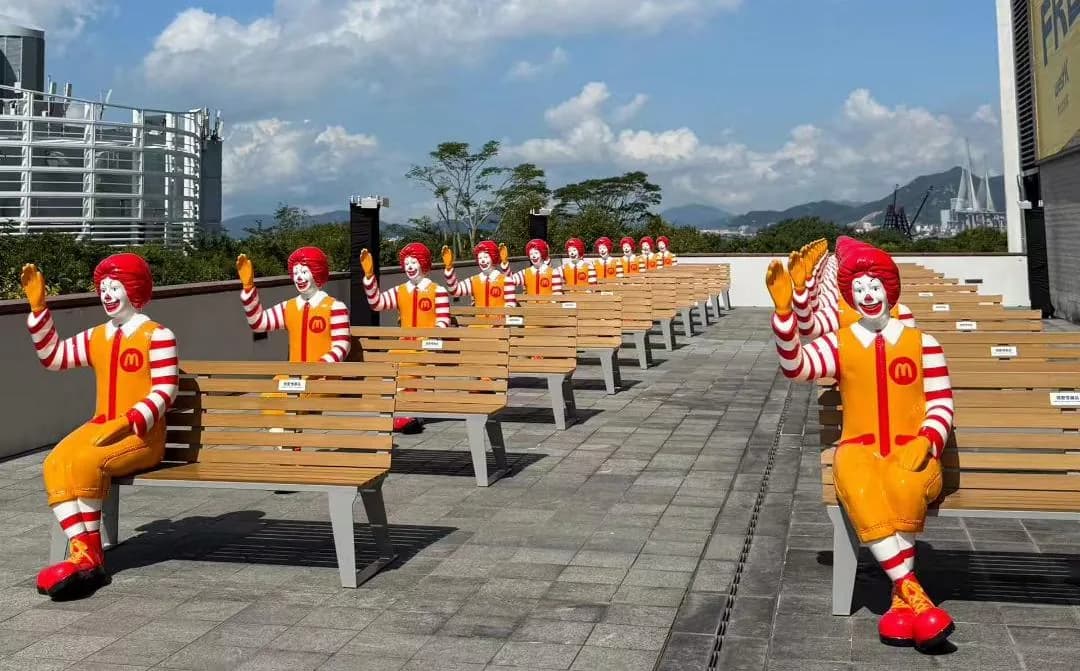
For a related repeat-production example, see YAVIS’s 100-piece Treezo mascot sculpture project for dealer and channel store displays.
Review Structure, Packing and Delivery Requirements
A completed statue still needs to reach its destination in an acceptable condition.
Before placing an order, buyers should discuss:
- Overall dimensions and handling limits
- Detachable components
- Structural support
- Base or mounting requirements
- Surface protection
- Vulnerable projecting parts
- Packing method
- Destination access
- Assembly responsibilities
For international projects, manufacturing and physical on-site installation should be treated as separate responsibilities unless the supplier explicitly provides both.
A manufacturer may supply assembly instructions or technical guidance without carrying out installation at the destination.
What to Send When Requesting a Quote
A useful initial quotation request should include:
- 01
Design, render, 3D file or reference images
- 02
Approximate final dimensions
- 03
Intended commercial application
- 04
Required quantity
- 05
Indoor or outdoor use
- 06
Preferred finish or visual reference
- 07
Delivery destination
- 08
Required completion date
- 09
Important packing or installation requirements
The design does not need to be fully finalized before the first feasibility discussion.
However, a reliable quotation requires enough information to understand the likely production scope.
Choosing the Right Manufacturing Partner
The right statue manufacturer is not necessarily the supplier with the broadest product catalog.
For commercial display projects, a better evaluation focuses on whether the manufacturer can translate the intended design into a practical production method, demonstrate relevant finished work, define approval requirements and prepare the project for delivery.
For repeat production, consistency across multiple units becomes an additional purchasing consideration.
YAVIS manufactures custom commercial statues, mascot sculptures, product replicas and branded display pieces from client designs, renders and references.
Projects can begin with a one-off commercial piece and progress to repeat production where required.
Related Work
Related Links
Commercial manufacturing: Explore Commercial Display Sculptures
Production evidence: Factory
Project inquiry: Discuss Your Project