
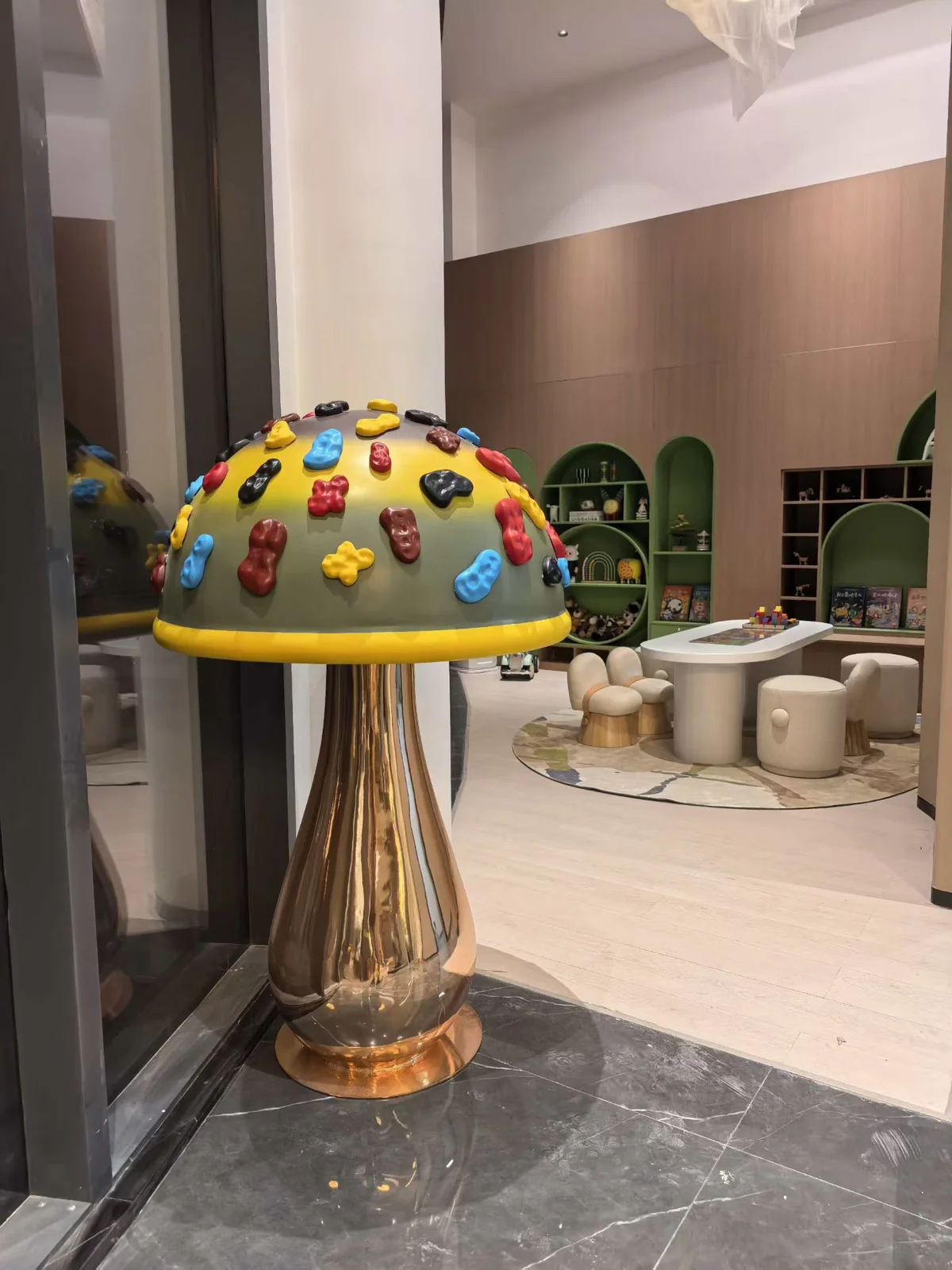
What is enough for an initial estimate?
An initial estimate can often begin with four basics:
- A photo, sketch, rendering or other reference showing the intended object
- Approximate finished height, width and depth
- The required quantity
- The intended use and delivery destination
These details allow a manufacturer to identify the likely scale and production complexity. If the geometry, finish, structural requirements or installation method is still unclear, the estimate should be treated as preliminary.
A firm quotation normally follows after the key dimensions, quantity, finish, fixing method, packing scope and delivery conditions have been confirmed. This distinction helps prevent an early budget figure from being mistaken for a final production price.
1. What design or reference material is available?
Send the clearest material currently available. This may include:
- Concept sketches or marked-up drawings
- Front, side and rear reference images
- Product photography
- Architectural renderings
- Character artwork or brand guidelines
- CAD, OBJ, STL or other 3D files
- Photos of an existing item that needs to be reproduced at another scale
A production-ready 3D model is useful, but it is not always necessary at the first contact stage. A manufacturer can often review feasibility from images and basic dimensions, then identify which areas require clarification or digital modeling before production.
If the design is based on a protected character, logo or brand asset, the buyer should also confirm that the necessary usage authorization is available.
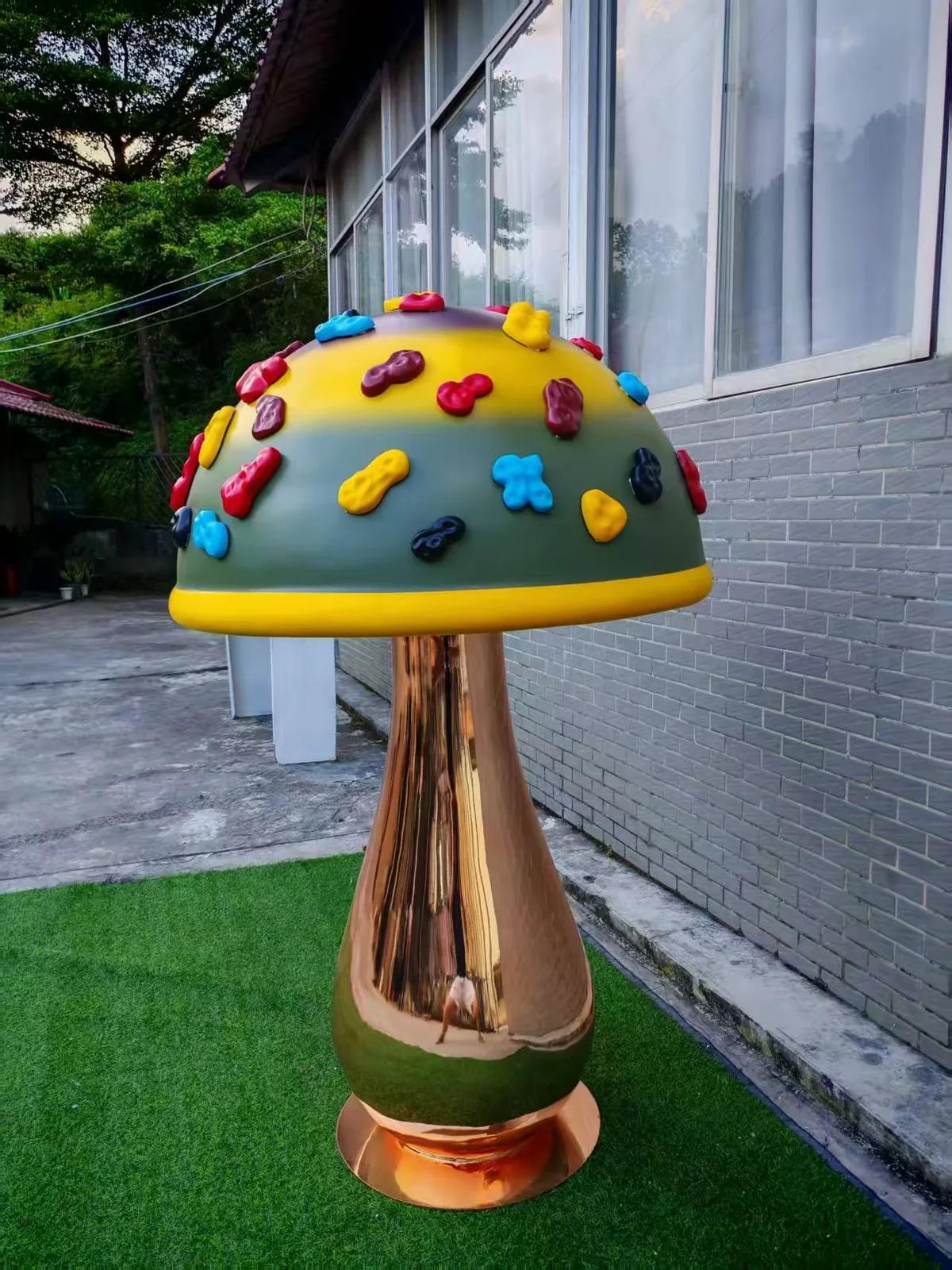
2. What are the finished dimensions?
State the intended finished size in millimeters or inches. Include:
- Overall height
- Maximum width
- Maximum depth
- Whether the base is included in the stated height
- Any dimensional limits imposed by doors, lifts, corridors or the display area
Approximate dimensions are sufficient for an early estimate, but confirmed dimensions are needed before engineering and production. Scale influences far more than material volume: it can change internal support requirements, production handling, detachable-part strategy, crate size and transport options.
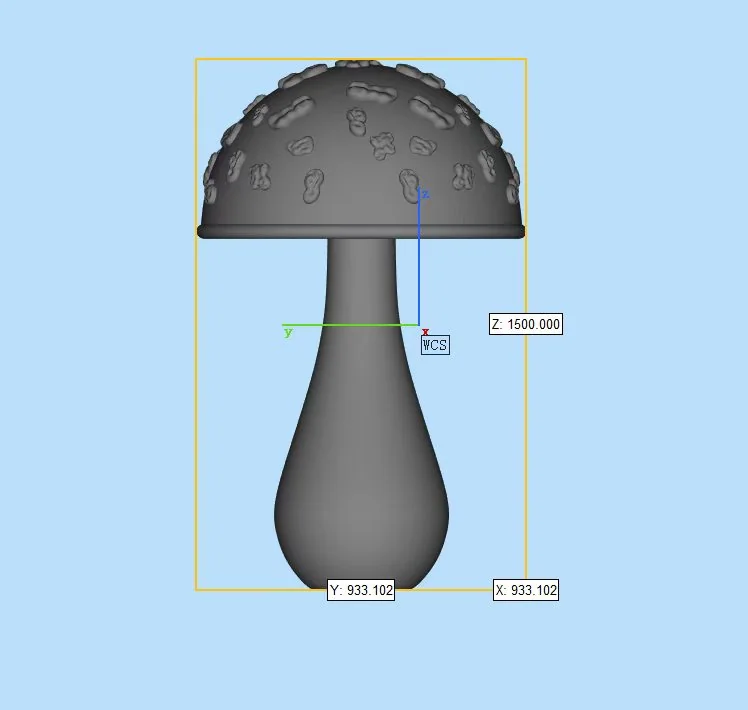
A dimensioned 3D view is particularly useful because it defines height, width and depth in one reference and reduces ambiguity between the artwork and the intended physical object.
3. How many pieces are needed?
Always state the current quantity, even when only one sculpture is required. One-off work is a valid starting point and can be quoted as a standalone commercial display project.
Quantity affects the production plan. A single piece may prioritize flexible fabrication and direct finishing, while a repeat order may justify additional tooling, standardized fixtures, approval samples and batch quality-control steps. Setup, surface finishing and packing costs are also distributed differently across one piece and a larger run.
If future repeat orders are possible, mention that as well. The initial production method can then be considered in relation to both the first order and potential reproduction.
4. Where and how will the sculpture be used?
Describe the real use environment rather than simply saying “display.” Important questions include:
- Will it be indoors or outdoors?
- Is it a temporary campaign or a permanent installation?
- Will visitors be able to touch, sit on or closely approach it?
- Will it be exposed to rain, strong sunlight, temperature changes or coastal conditions?
- Will it be viewed at close range or mainly from a distance?
- Is it for a retail interior, exhibition, theme environment, event or public-facing commercial space?
These conditions help determine suitable construction, surface preparation and coating options. They can also affect stability, maintenance expectations and the level of detail that remains visible in the final setting.
5. What finish and color standard is required?
The phrase “painted finish” is rarely specific enough for an accurate quote. Provide available information about:
- Pantone, RAL or other color references
- Brand color guides
- Matte, satin, gloss or metallic appearance
- Smooth, textured or intentionally sculpted surfaces
- Logos, lettering, graphics or decals
- Color separation lines and masking complexity
- Required viewing distance and acceptable surface standard
Complex graphics, metallic effects and high-gloss surfaces require different preparation and finishing steps from a simple single-color object. Reference images should show the intended appearance clearly, while physical or approved digital color standards can be confirmed before final production.
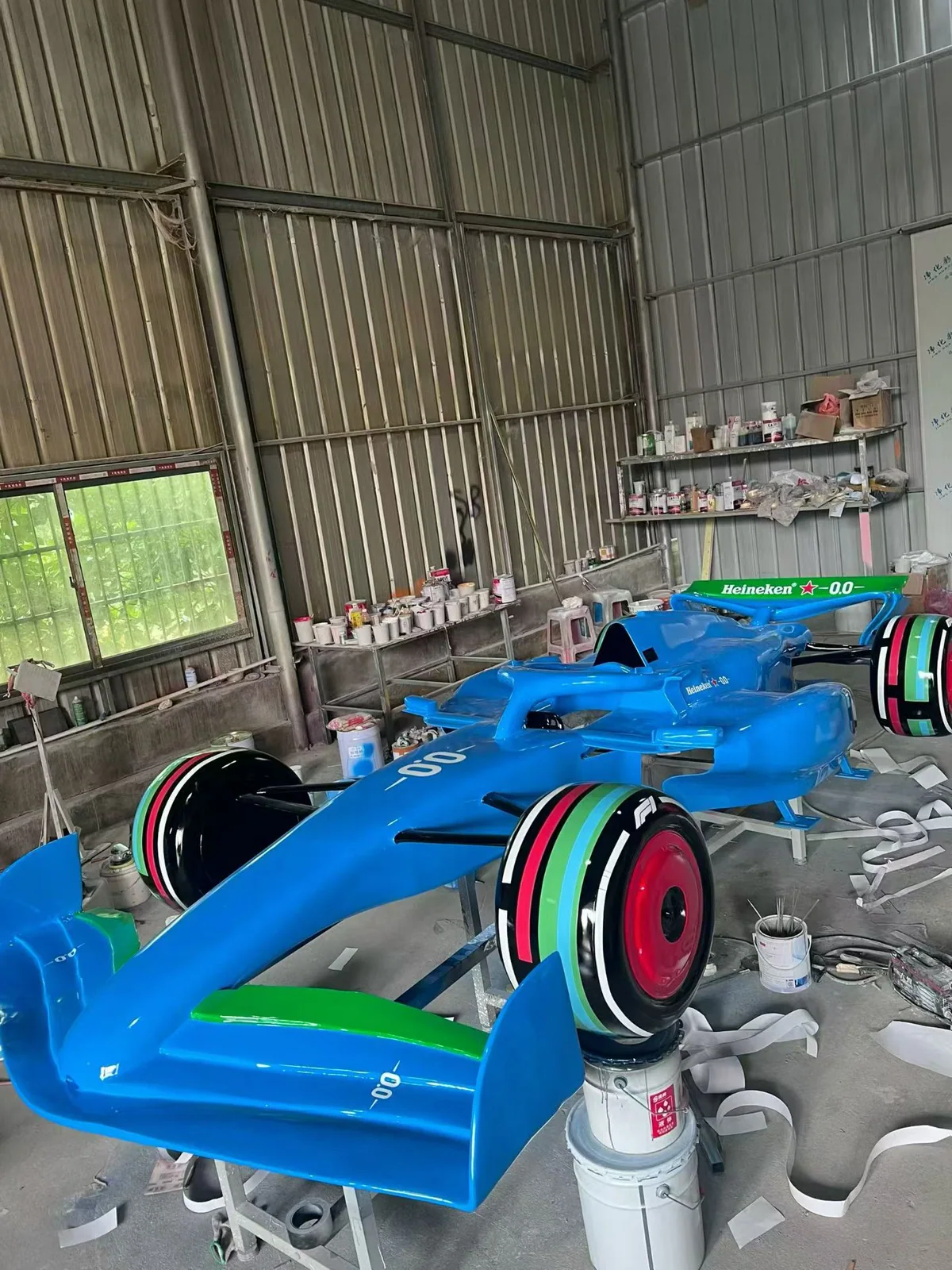
6. What base, fixing or assembly is expected?
Explain how the finished sculpture is expected to stand, connect or be installed. Common requirements include:
- Freestanding placement on an integrated base
- A hidden support plate
- Bolt-down fixing points
- Connection to a plinth supplied by another contractor
- Detachable accessories or sections for transport
- On-site assembly after delivery
If the fixing design is not yet decided, provide the proposed location, floor or plinth information and any installation constraints. Clearly define whether the quotation is for supply only, includes installation hardware, or requires on-site installation support.
Detachable parts can make a complex form easier to pack and move, but the connection points need to be considered before fabrication rather than added after the sculpture is complete.
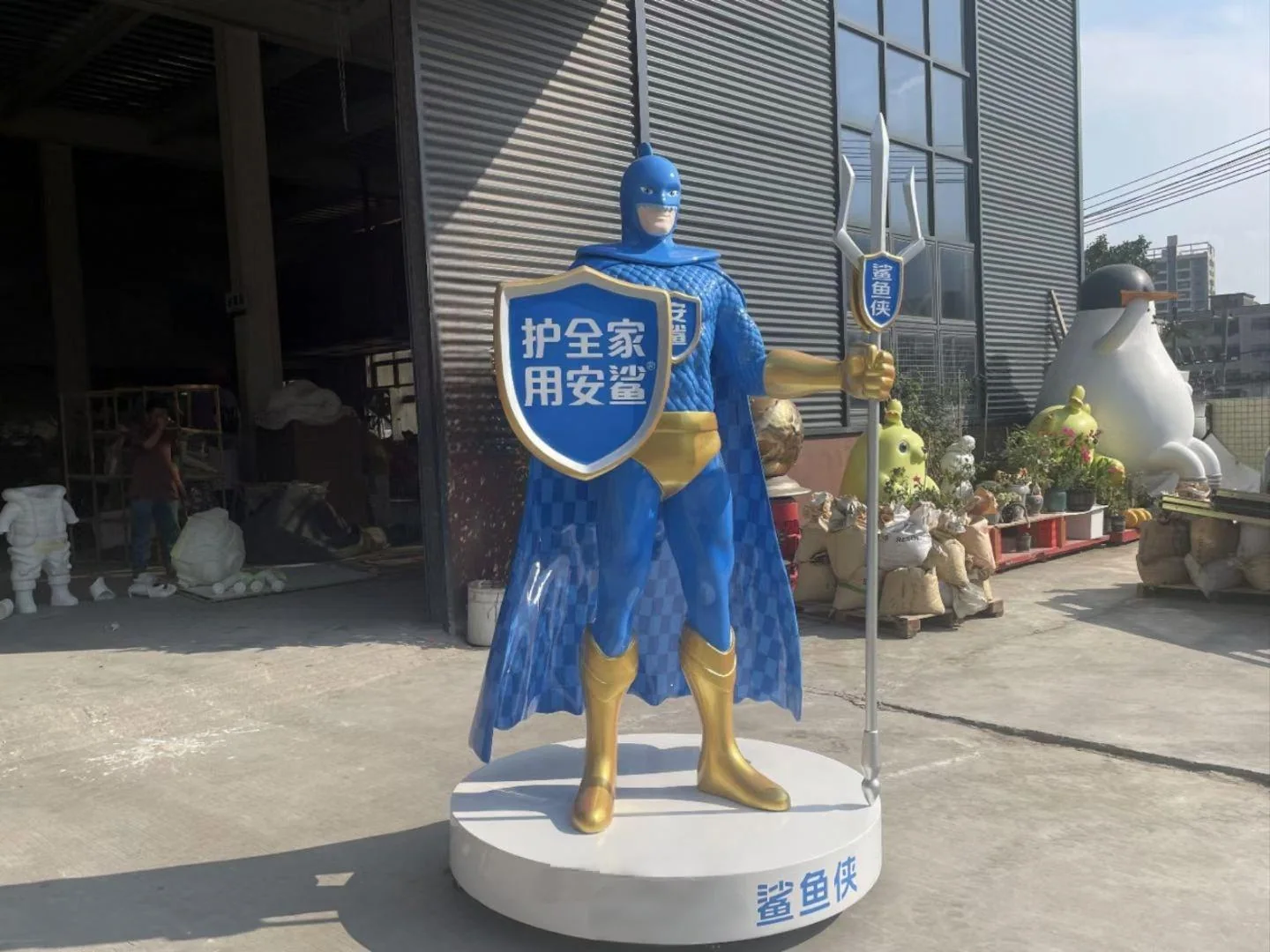
7. Where will the sculpture be delivered?
Packing and freight cannot be evaluated accurately without a destination and delivery scope. Provide:
- Destination country and city
- Postcode when available
- Commercial address, event venue or construction site
- Preferred shipping method, if already known
- Delivery deadline or installation date
- Site access restrictions
- Whether a forklift, loading dock or local installation team is available
Large custom sculptures may require a purpose-built crate, detachable sections or special internal supports. The packed dimensions and weight—not only the finished sculpture size—affect freight planning.
Ask for product cost, packing, freight and installation to be identified separately when appropriate. This makes the quotation easier to compare and clarifies which responsibilities remain with the buyer or local contractor.
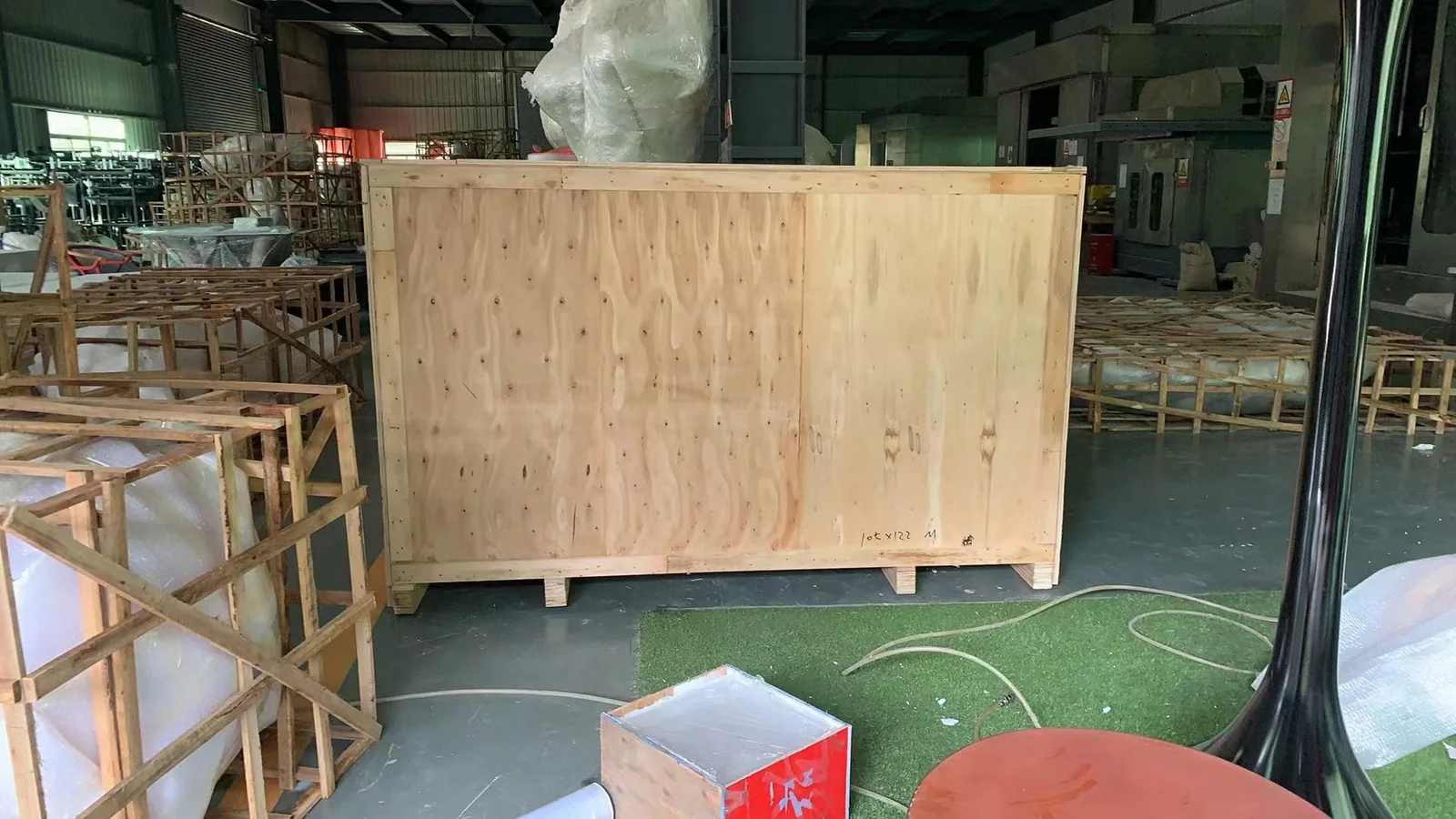
Custom sculpture quote checklist
| Information | What to provide | Why it matters |
|---|---|---|
| Design reference | Sketches, renderings, photos, drawings or 3D files | Defines the form and visible details to be produced |
| Finished size | Height, width, depth and base dimensions | Affects construction, handling, packing and freight |
| Quantity | First order quantity and possible repeat volume | Influences tooling, setup and unit-cost allocation |
| Use environment | Indoor/outdoor, duration, visitor contact and exposure | Guides construction and finish recommendations |
| Finish | Color standards, sheen, texture, graphics and logos | Defines surface-preparation and painting complexity |
| Base and fixing | Freestanding, bolted, plinth-mounted or detachable | Affects stability, fabrication and installation scope |
| Destination | Country, city, postcode and access conditions | Allows packing and delivery requirements to be reviewed |
| Schedule | Required delivery or installation date | Helps evaluate production and logistics feasibility |
| File package | Available artwork plus notes on unresolved items | Separates confirmed requirements from open decisions |
What if the design is not final?
Do not wait for every detail to be resolved before starting a technical conversation. Send the current design material and identify what is confirmed, what is approximate and what still needs review.
YAVIS can discuss manufacturing feasibility from the information available and indicate which details are needed next. The quotation can then be refined as the dimensions, finish, installation and logistics scope become clear.
This staged approach is especially useful for early commercial concepts: it gives buyers a realistic basis for development without presenting an unfinished brief as a fixed production specification.
Frequently asked questions
Can I request a quote without a 3D file?
Yes. Reference photos, sketches or renderings with approximate dimensions can be enough for an initial estimate. A confirmed 3D model or additional views may be requested before final production, depending on the form and level of detail.
Can I request a quote for only one sculpture?
Yes. One-off commercial sculptures and display props can be reviewed as individual projects. The recommended production approach and cost structure may differ from repeat or batch production.
Why does quantity affect the price per piece?
Tooling, setup, approval, finishing controls and packing preparation contain costs that may be shared across a repeat order. A batch also requires a production method designed for consistency, while a one-off piece may use a more flexible workflow.
Does a quotation automatically include shipping and installation?
Not necessarily. Shipping and installation can only be assessed when the destination, access conditions and scope are known. Ask for production, packing, freight and installation items to be separated where relevant.
What changes are most likely to affect a quotation?
Changes to overall size, geometry, internal support, quantity, surface finish, graphics, fixing method, packing requirements or delivery destination can all affect the price and schedule.
How much information should I prepare before contacting YAVIS?
Start with enough information to explain what the object is, its approximate size, quantity, intended use and destination. The design does not need to be fully resolved for an initial feasibility discussion.
Start with the information you have
A useful custom sculpture quote begins with a clear project brief, not necessarily a perfect one. Send the current reference material, approximate dimensions, quantity, use environment and delivery destination. Mark any open decisions so they can be reviewed before the scope is finalized.
Explore YAVIS custom fiberglass sculpture capabilities, review the wider manufacturing capabilities, or submit a project inquiry with your available files.
Retail display projects: Explore Custom Fibreglass Props
Character projects: Explore Custom Character Sculptures